Category: Blog
-
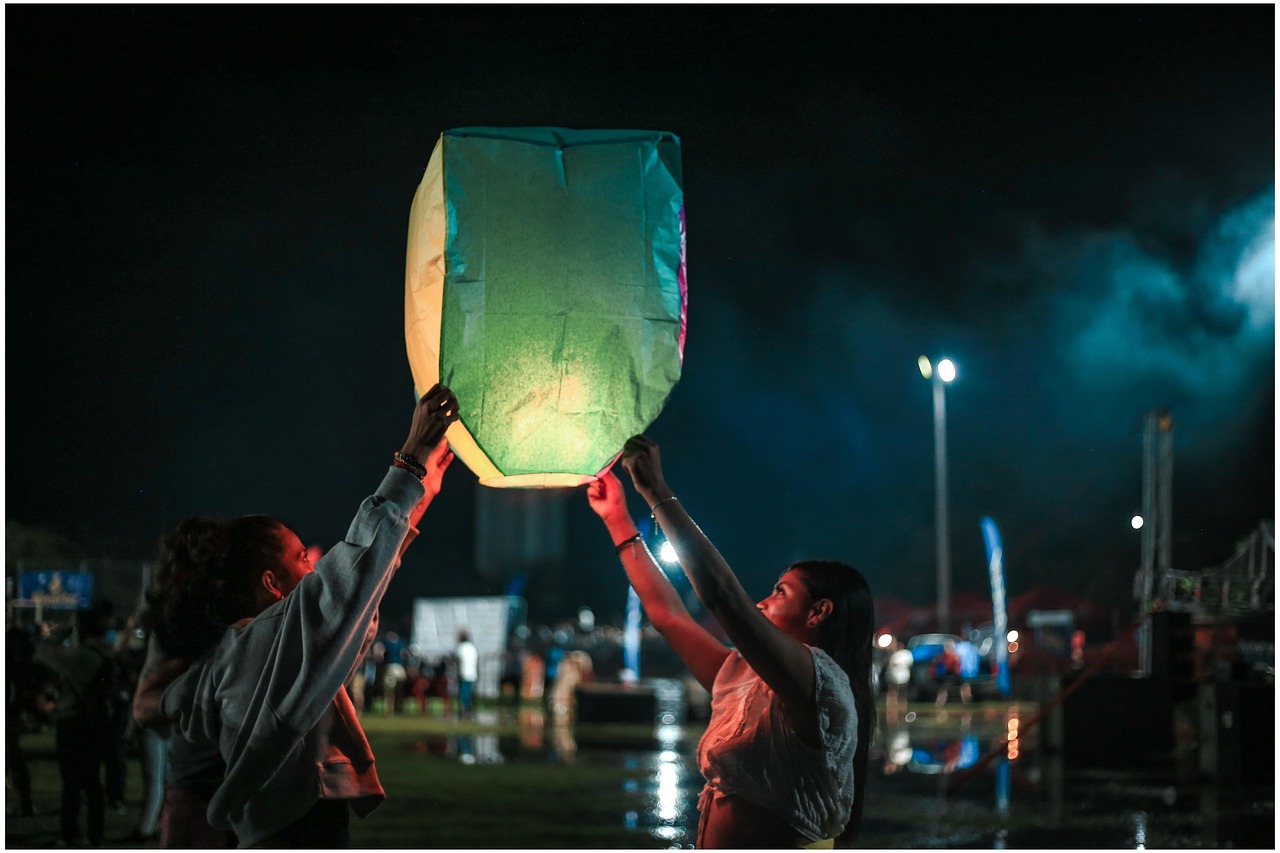
Across the U.S., a handful of state fairs attract more than a million visits each year, serving up everything from deep‑fried novelties to championship livestock. Choosing the best state fairs isn’t just a taste test it’s a calculus of crowds, acreage, programming, and value per dollar. If you want a quick answer: the “best” fair
-

From a lobster cookout that steams more than 20,000 pounds of crustaceans in Rockland, Maine, to 100+ chef-led tastings spread across Miami Beach, Food festivals in usa shape travel calendars and dinner plates with scale and specificity that’s hard to match. If you want to choose the right event, avoid sticker shock, and actually eat
-
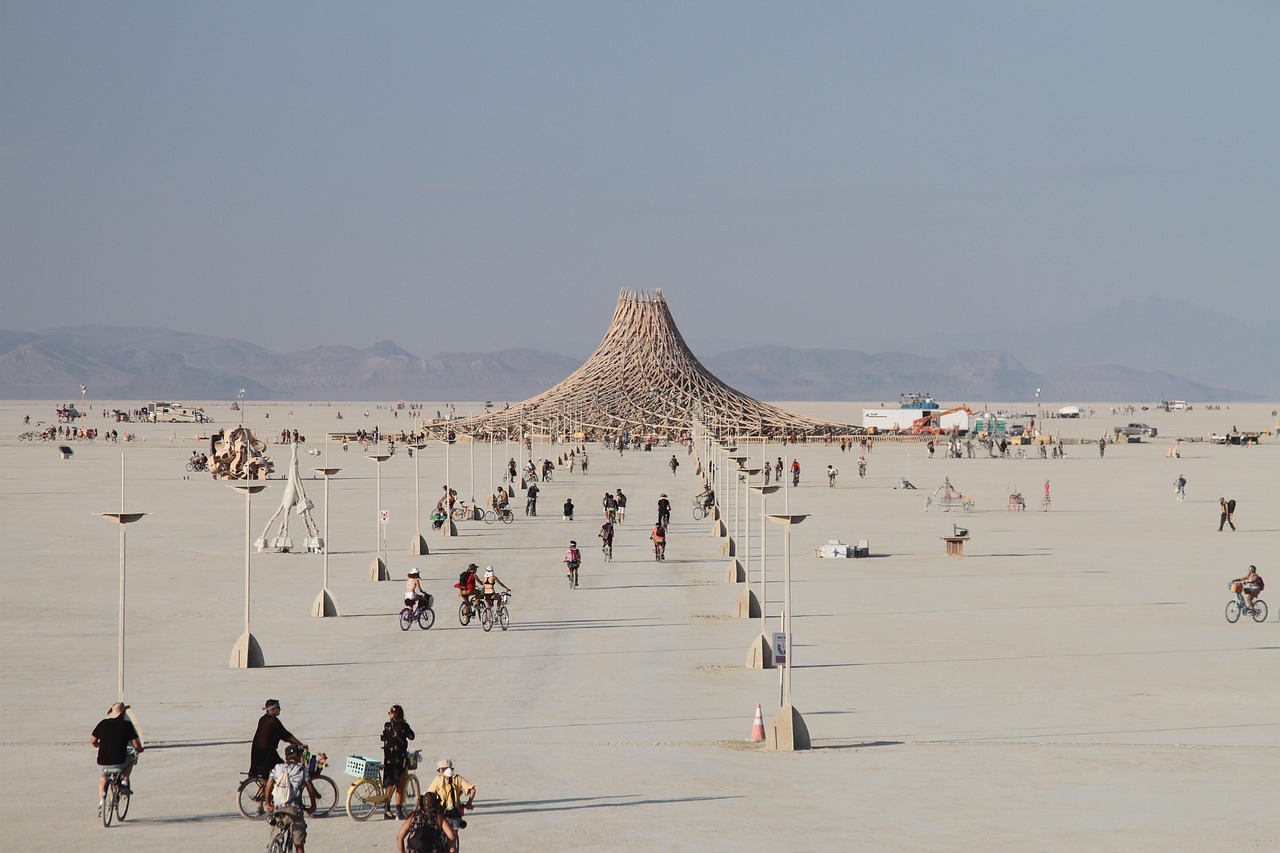
For one week between late August and Labor Day, a temporary city of roughly 60,000–80,000 people rises on the flat, alkaline floor of Nevada’s Black Rock Desert. Temperatures can swing from near-freezing nights to 100°F days, dust storms erase visibility in seconds, and a 40-foot wooden effigy is burned before the city disappears again. If
-

Think in concrete numbers, not vibes. A 3,000-person, one-day, two-stage festival can require a $350k–$450k budget, 6–9 months of lead time, 6–8 meters of aggregate exit width, 25–40 toilets, and 30–60 security staff. Miss one permit or under-size power by 20% and the show stops. If you’re asking how to organize a festival, you want
-
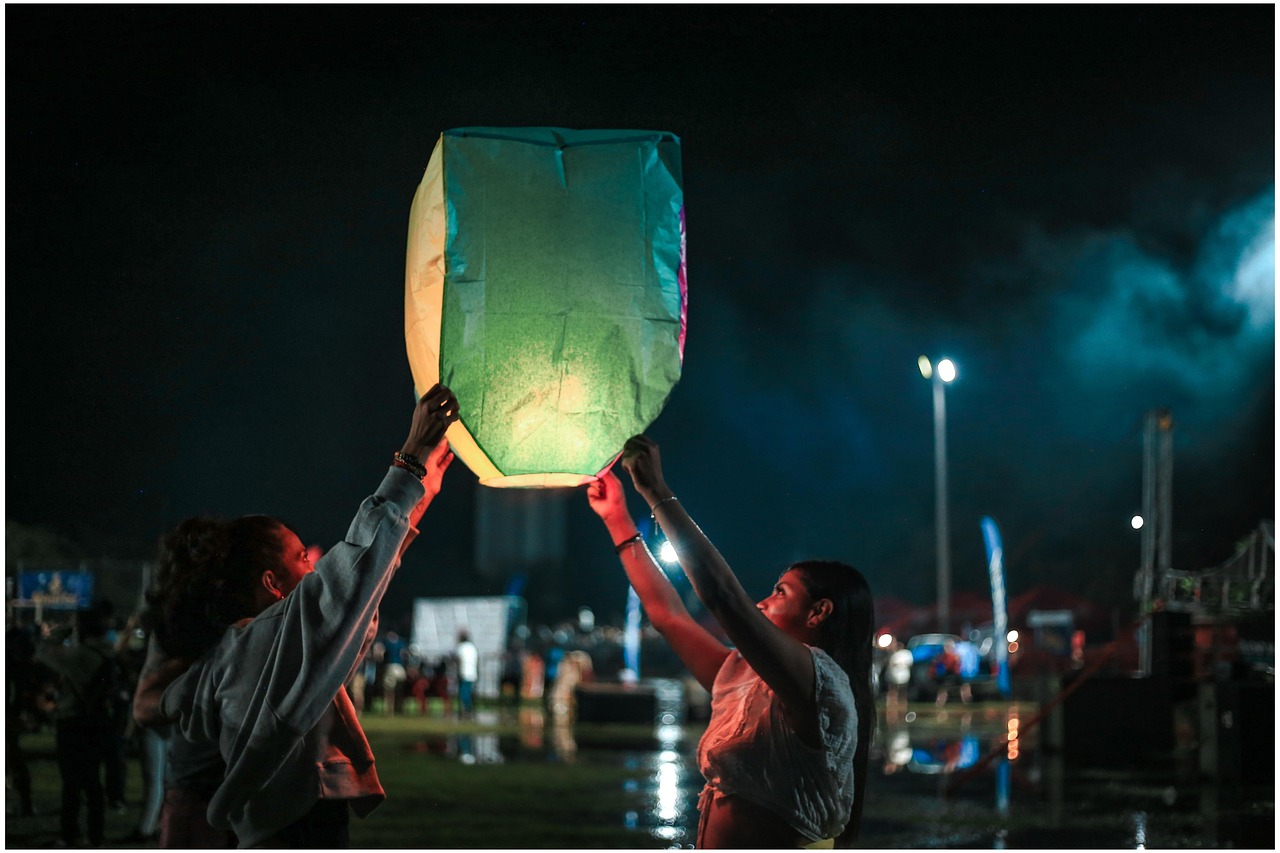
The Cold Reality of the Mesa Feastival: Building What Google Can’t Touch On a typical Saturday evening in the American Southwest, a modern food-truck festival can funnel 1,500–4,000 people past 20–40 trucks in a three-hour window, with peak lines forming within 30 minutes of opening. If you’re scanning the calendar for a mesa feastival-style night
