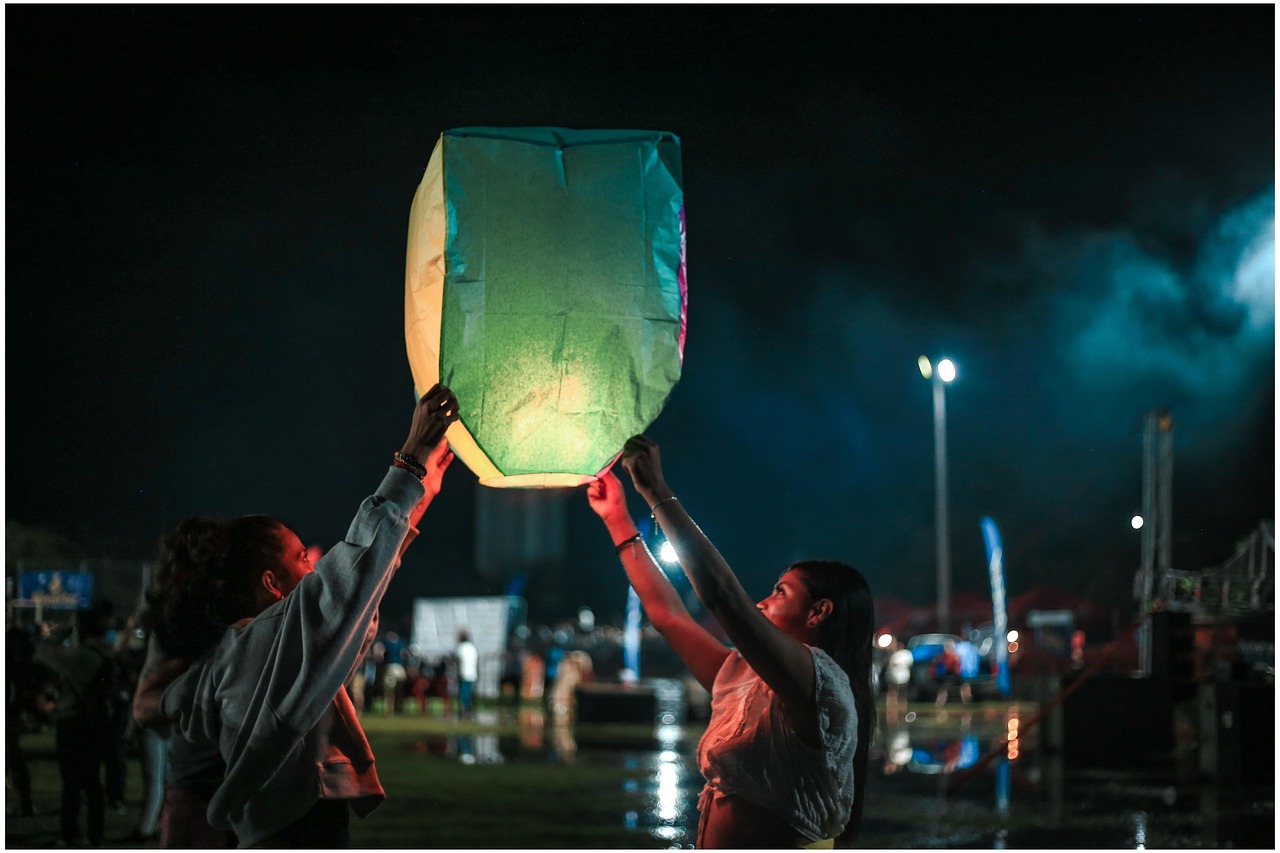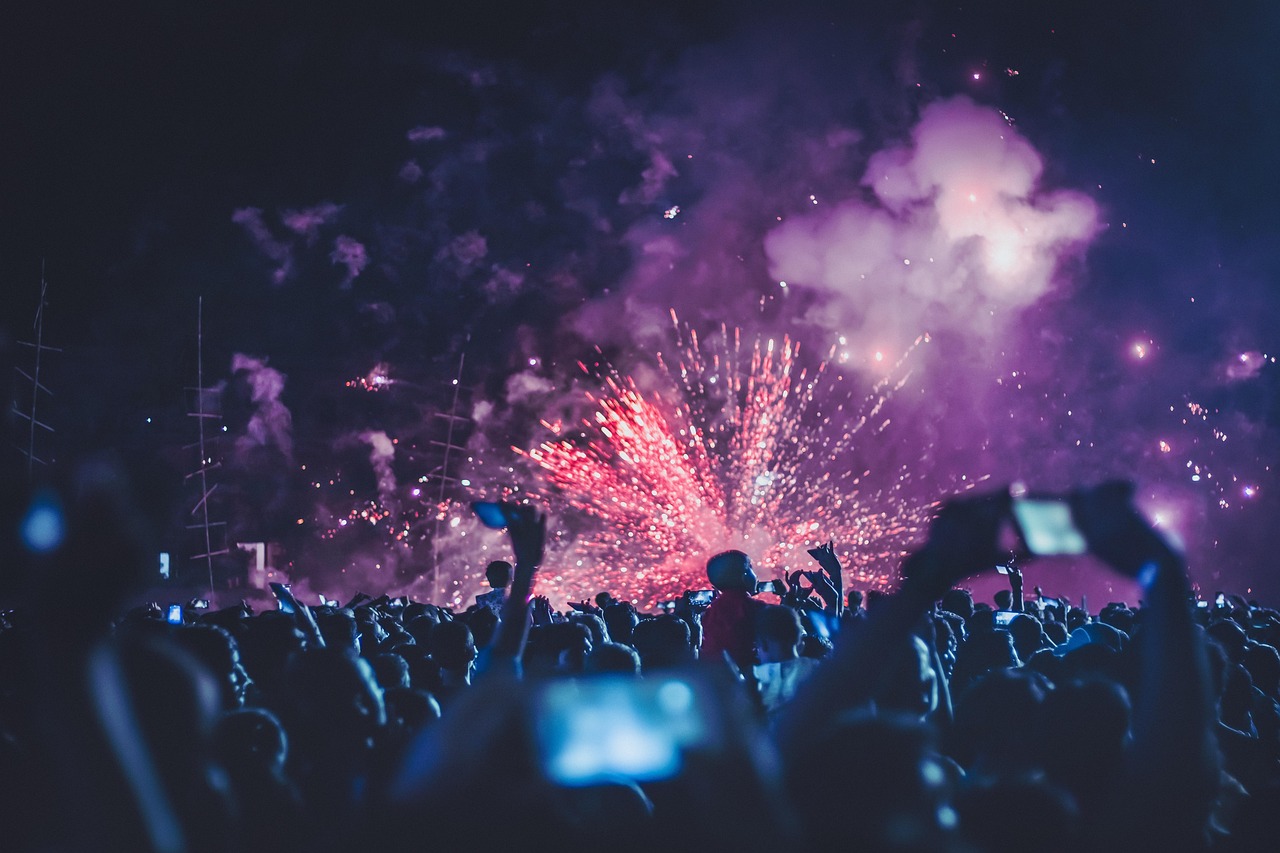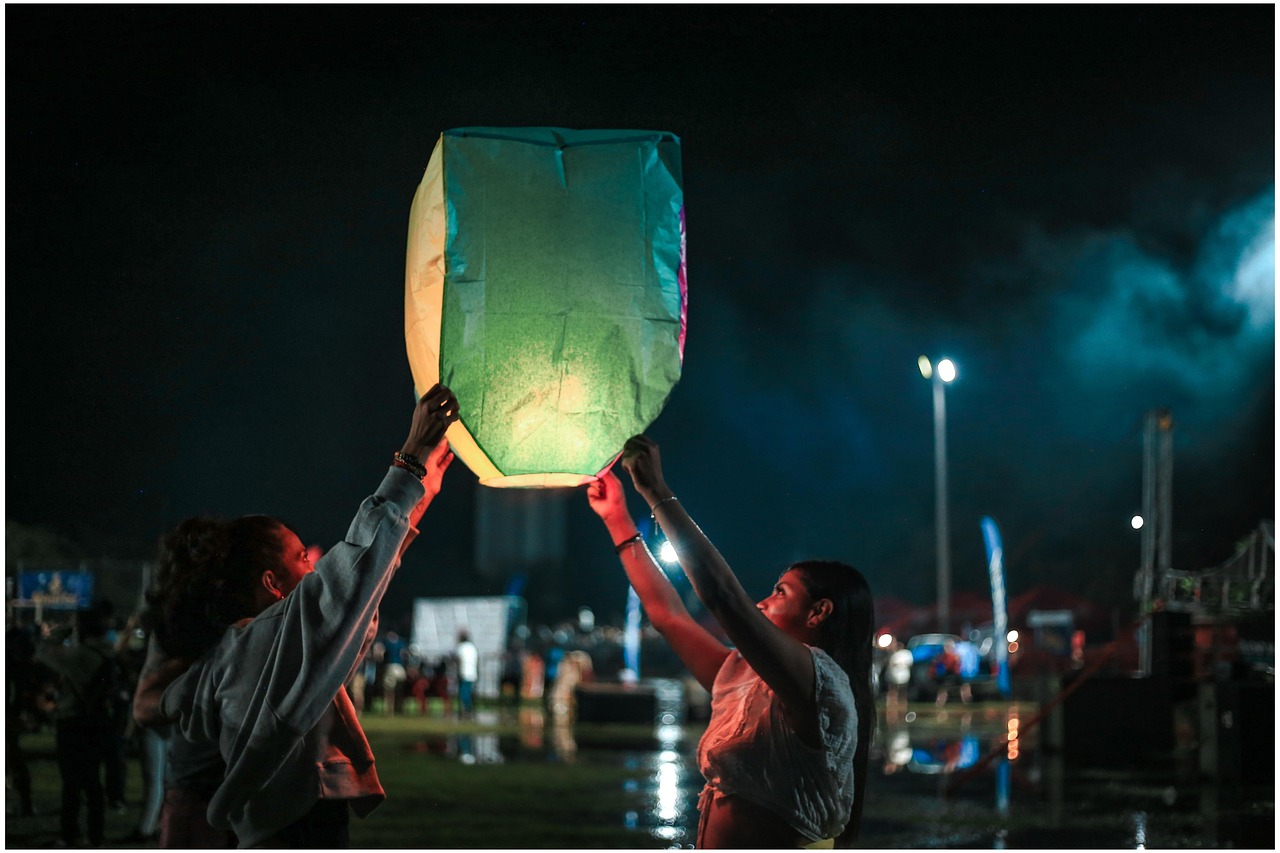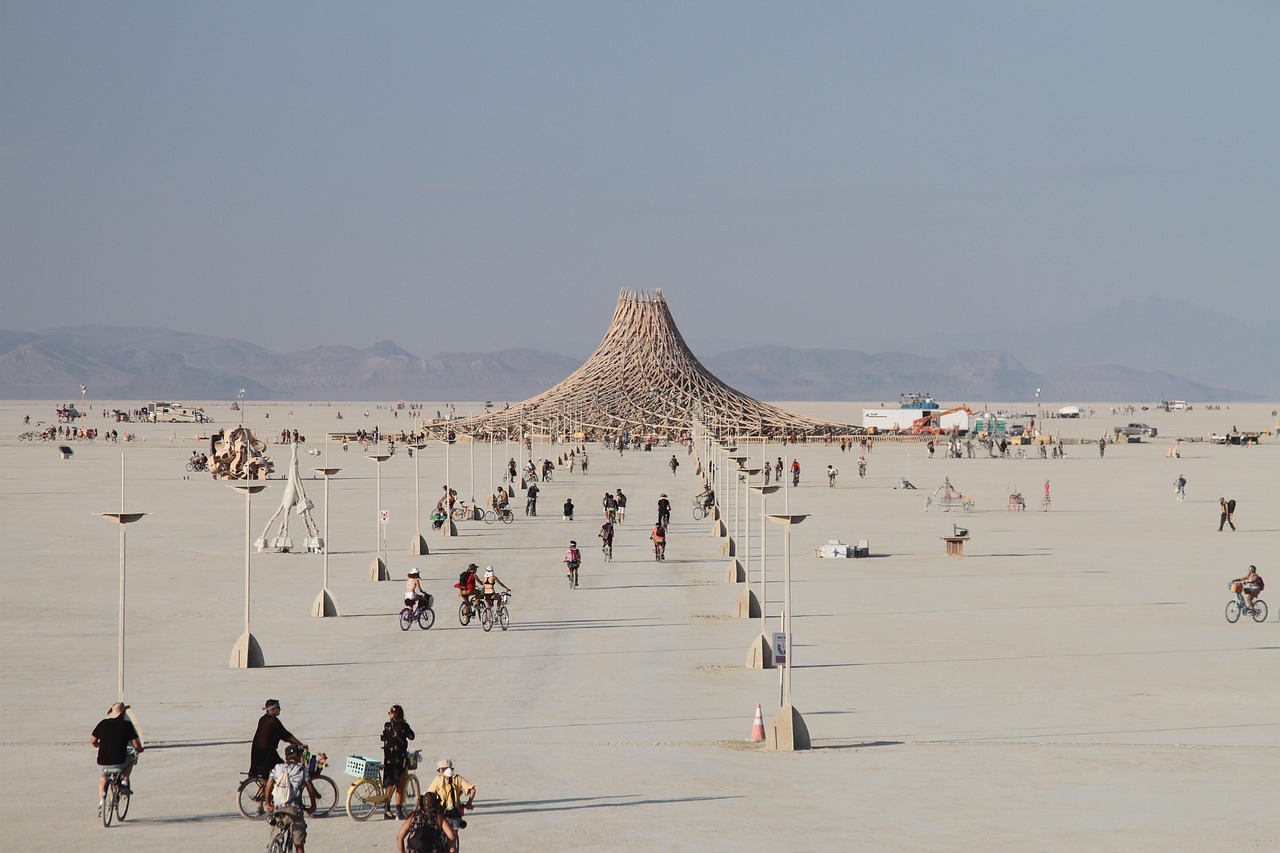
For one week between late August and Labor Day, a temporary city of roughly 60,000–80,000 people rises on the flat, alkaline floor of Nevada’s Black Rock Desert. Temperatures can swing from near-freezing nights to 100°F days, dust storms erase visibility in seconds, and a 40-foot wooden effigy is burned before the city disappears again.
If you’re asking “What is burning man,” the concise answer is a participatory arts event and self-governed city operating under a set of cultural principles rather than commercial rules. Below is how it actually works, what it costs, the logistics that hold it together, and the trade-offs involved.
What Burning Man Actually Is
Burning Man began in 1986 as a small beach burn in San Francisco, moved to the Black Rock Desert in 1990, and now runs for nine days ending on Labor Day. It is permitted by the U.S. Bureau of Land Management (BLM), which caps attendance and inspects the site afterward for environmental compliance.
The city, called Black Rock City (BRC), is a planned semicircle about several miles across, laid out like a clock. Concentric streets are lettered from the Esplanade outward, with radial streets named by time (e.g., 3:00 to 9:00). The posted speed limit is 5 mph for all vehicles. Most participants arrive by car or chartered bus on a two-lane highway, creating long entry and exit queues.
BRC is built by a mix of paid staff and thousands of volunteers. The Department of Public Works surveys and stakes the grid weeks in advance. Non-enforcement Rangers provide peer-to-peer mediation and safety guidance. Emergency services run 24/7 with on-site clinics capable of stabilizing serious cases for evacuation.
Two large ritual burns anchor the week: the Man, typically on Saturday night, and the Temple on Sunday, which is quieter and reflective. These burns require perimeter crews, fire safety plans, and coordination with BLM and local fire authorities.
Principles, Not Commerce
The culture is articulated by Ten Principles such as Gifting, Decommodification, Radical Self-Reliance, Communal Effort, Civic Responsibility, Participation, Immediacy, and Leave No Trace. They are guiding values rather than enforceable laws. Camps and artists interpret them differently, and real-world constraints sometimes force compromises.
Gifting and decommodification mean there is no general vending, advertising, or sponsorship on-site. You cannot buy food or drinks from stalls, and most services are gift-based. A typical example is a camp that offers free coffee in the mornings or repairs bikes at no charge. The trade-off is that many theme camps collect “dues” off-site to fund infrastructure like shade, power, and public offerings, which can blur the line between communal provisioning and pay-to-play.
Radical Self-Reliance is literal. You bring your own shelter, food, and water, and you take everything out. A common planning guideline is at least 1.5–2 gallons of water per person per day for drinking and basic hygiene. Even with that ethic, there are safety nets: Rangers to de-escalate conflicts, emergency medical services, and law enforcement from multiple agencies. The balance is to prevent avoidable harm without eroding participant responsibility.
Leave No Trace is enforced culturally and administratively. Camps are responsible for “MOOP” (matter out of place), down to zip-ties and glitter. After the event, BLM inspectors walk randomized transects to check debris density; persistent “red zones” on the community’s MOOP maps inform future camp placements and education. The mechanism works because consequences are collective: failure threatens the permit for everyone.
How the City Runs: Infrastructure, Logistics, and Weather
Getting in and out is a constraint. Gate opens on the Sunday before Labor Day weekend, and traffic can stack for hours. Exodus at the end can take 4–12+ hours depending on conditions. Carpooling reduces vehicles and costs; the Burner Express bus service offers dedicated lanes and baggage/bike transport, trading schedule flexibility for time savings.
Basic services are deliberately minimal. There are banks of portable toilets serviced multiple times per day, but no running water or public showers. Dumping gray water on playa is prohibited; participants use evaporation systems or pack-out containers. Ice is sold at limited locations for food safety and medical needs; otherwise, there is no on-site retail.
Power is a camp-level decision. Small inverter generators (e.g., 2 kW) can run LED lights and a modest fridge quietly; larger camps use trailer-mounted diesel units or build solar microgrids with battery storage. A 5 kW gasoline generator typically burns around 0.5–0.7 gallons per hour at moderate load; solar arrays avoid noise and fuel runs but require upfront capital and planning for dust and wind. Sound systems and kitchens should be grounded; alkaline dust is conductive when wet and corrosive when dry.
Weather is nontrivial. Daytime highs frequently hit the 90s°F; nights can drop into the 40s°F. Dust storms with 40–50 mph gusts are common; whiteout conditions make goggles and N95/KN95 masks practical, not fashionable. Rain turns the playa’s fine silt into an adhesive mud that immobilizes vehicles and clings to shoes; in 2023, heavy rain temporarily halted vehicle movement for about a day, underscoring why event-wide driving bans can be imposed for safety.
Economics, Impact, and Common Misconceptions
Tickets are tiered. In recent years, main sale tickets have been in the mid-hundreds of dollars, with limited low-income tickets in the low hundreds and higher-tier options above $1,000 that help subsidize access. Vehicle passes add another fee. Realistic all-in budgets for a first-timer often land between $1,500 and $4,000, including travel, gear, food, fuel, and potential camp dues. Time is a cost too; many participants commit 7–10 days including setup and teardown.
Art is central and expensive. The Burning Man Project issues art grants, but they rarely cover full costs. Large-scale installations can run from tens of thousands to several hundred thousand dollars when you include materials, transport, insurance, fuel for equipment, and volunteer support. Fire art and burns require permits, fuel plans, and safety perimeters, which add complexity. A common model is partial grants plus crowdfunding and in-kind donations.
The event’s environmental footprint is significant, with most greenhouse gas emissions tied to participant travel by car and air. Organizational reports have stated a goal of achieving net-negative emissions by 2030 via reductions, electrification, and off-site projects. Evidence on progress is mixed; visible advances include more camps adopting solar-battery systems and shuttle options that reduce vehicle counts, while jet travel and generator use remain major sources. On the micro scale, eliminating single-use items, planning precise food quantities, and consolidating transport measurably reduce waste.
Burning Man is not a music festival in the headliner sense. Music is abundant, but it is decentralized, with thousands of small experiences instead of a main stage. Drugs are not legal; the event is on federal land, and multiple law enforcement agencies operate on-site. Families do attend; there are quiet neighborhoods, and sober camps and recovery meetings run all week. Participation is the expectation: cooking pancakes for strangers, volunteering for a shift, or co-stewarding a small art piece are all examples of “no spectators.”
Conclusion
If you decide to go, decide like a builder, not a consumer: set a realistic budget, plan for at least 1.5–2 gallons of water per person per day, secure your shelter with 12-inch or longer stakes or lag bolts, and choose a way to contribute. If the constraints feel too steep, try a regional burn first; the same principles apply at smaller scale, and you will learn quickly whether the desert’s trade-offs match your appetite for participation and self-reliance.